RAFAEL FABRES
A Place of Stillness
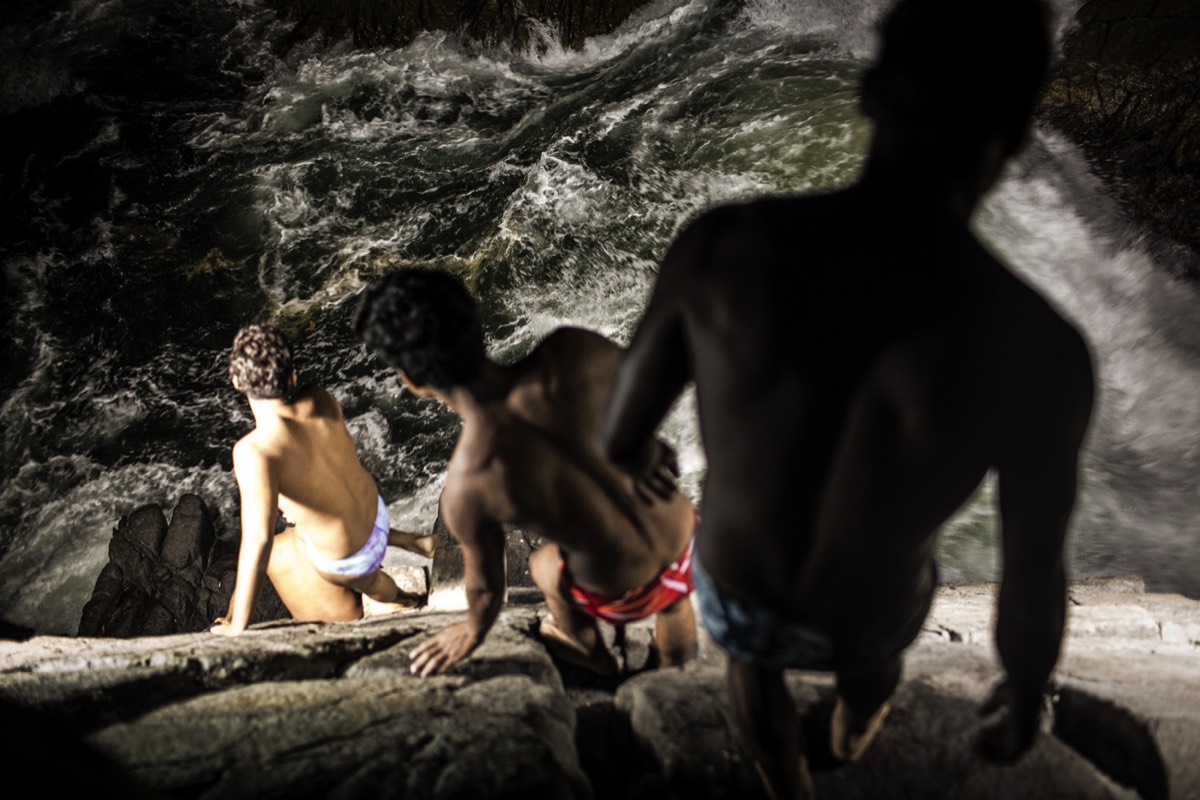
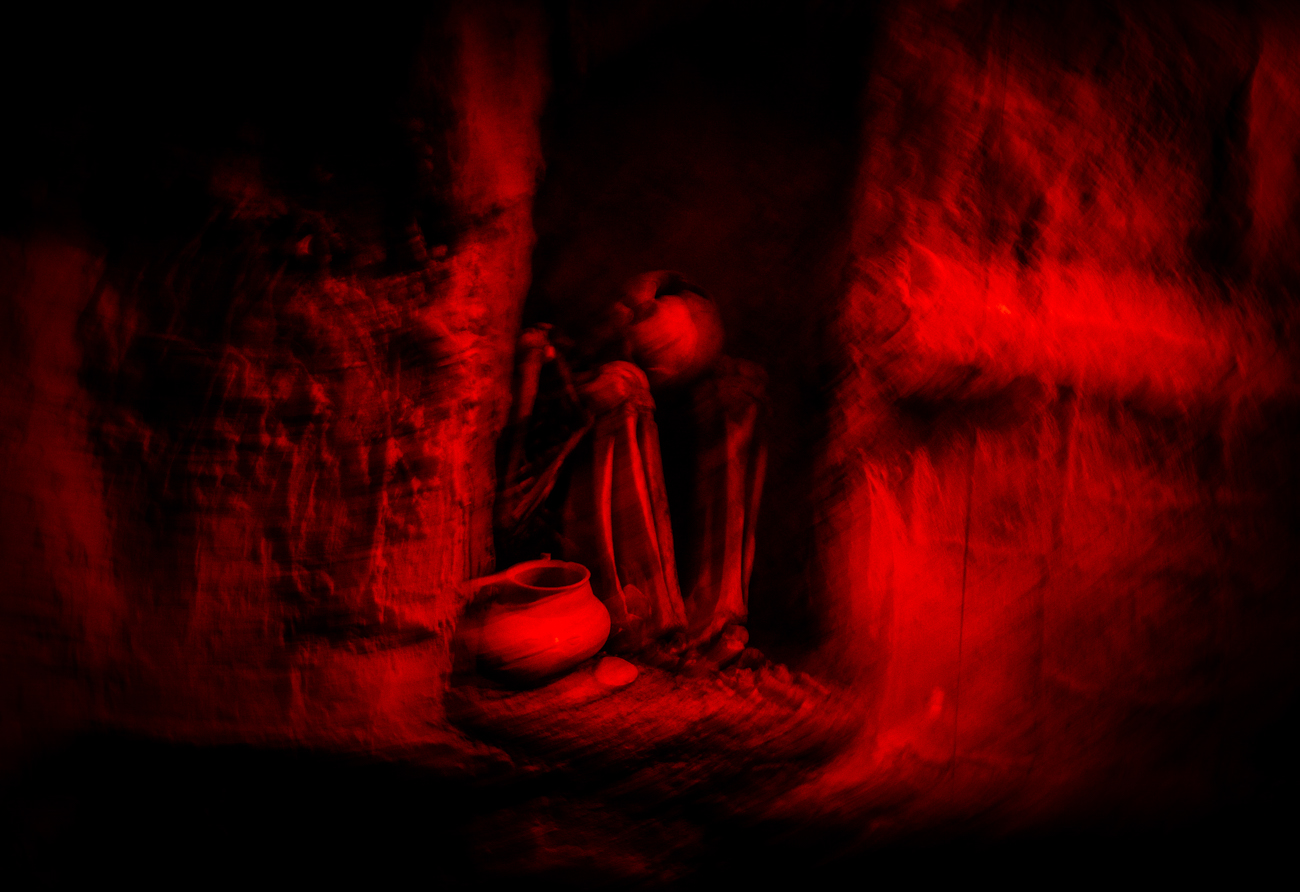
In A Place of Stillness, Rafael Fabres turns away from the urgency of photojournalism and toward a more introspective space, where photography becomes a way of navigating inner experience rather than documenting external events. The work unfolds quietly, not as a statement, but as an ongoing search.
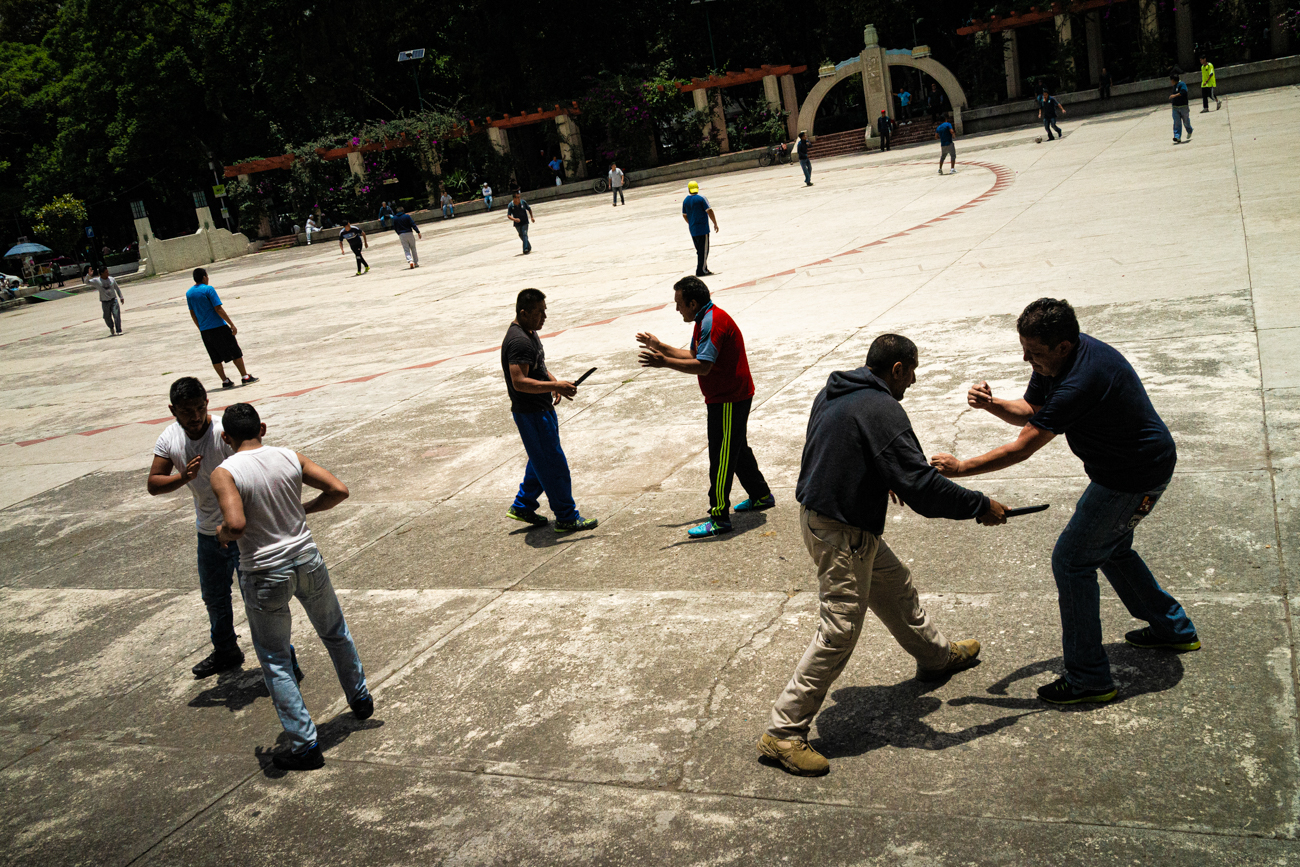
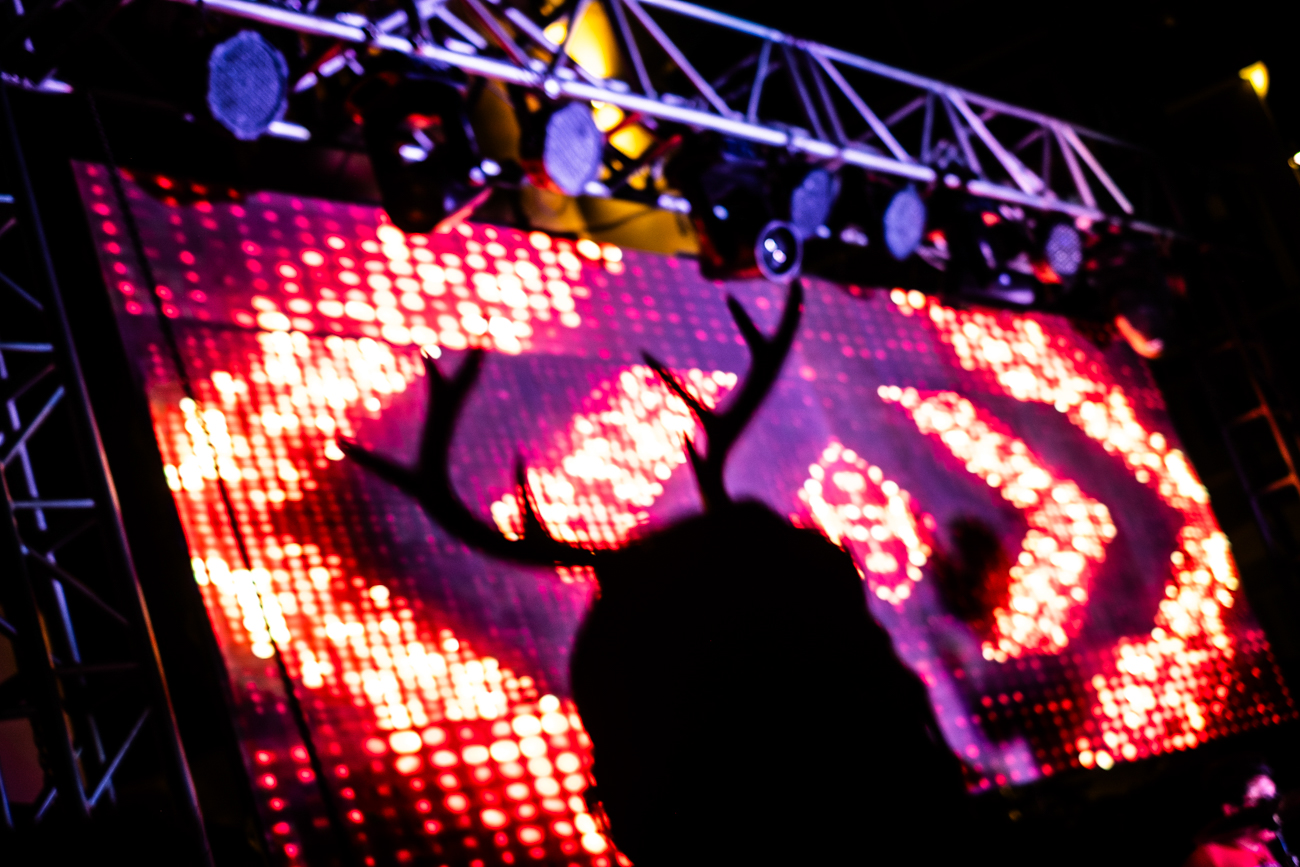
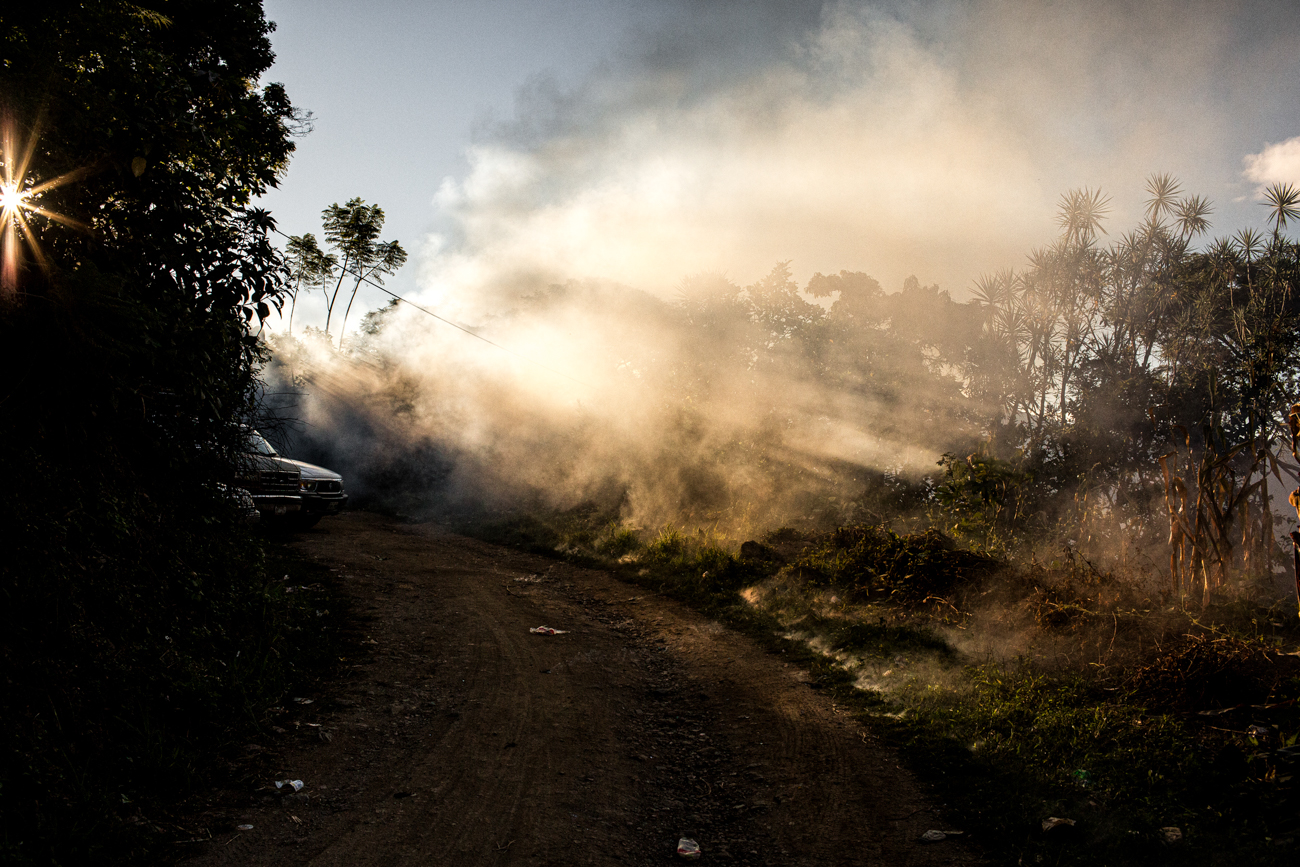
The project began during a moment of personal and professional transition. After eight years working with agencies and newspapers, Fabres started to question the role photography played in his life. While completing his book Cafuné, which marked a departure from photojournalism, he found himself drawn inward. Around 2016, while working on a story in Mexico about catharsis, he began photographing his own daily life almost compulsively. What started without a clear intention gradually took shape, as if the images themselves were leading the way.
The project began during a moment of personal and professional transition. After eight years working with agencies and newspapers, Fabres started to question the role photography played in his life. While completing his book Cafuné, which marked a departure from photojournalism, he found himself drawn inward. Around 2016, while working on a story in Mexico about catharsis, he began photographing his own daily life almost compulsively. What started without a clear intention gradually took shape, as if the images themselves were leading the way.
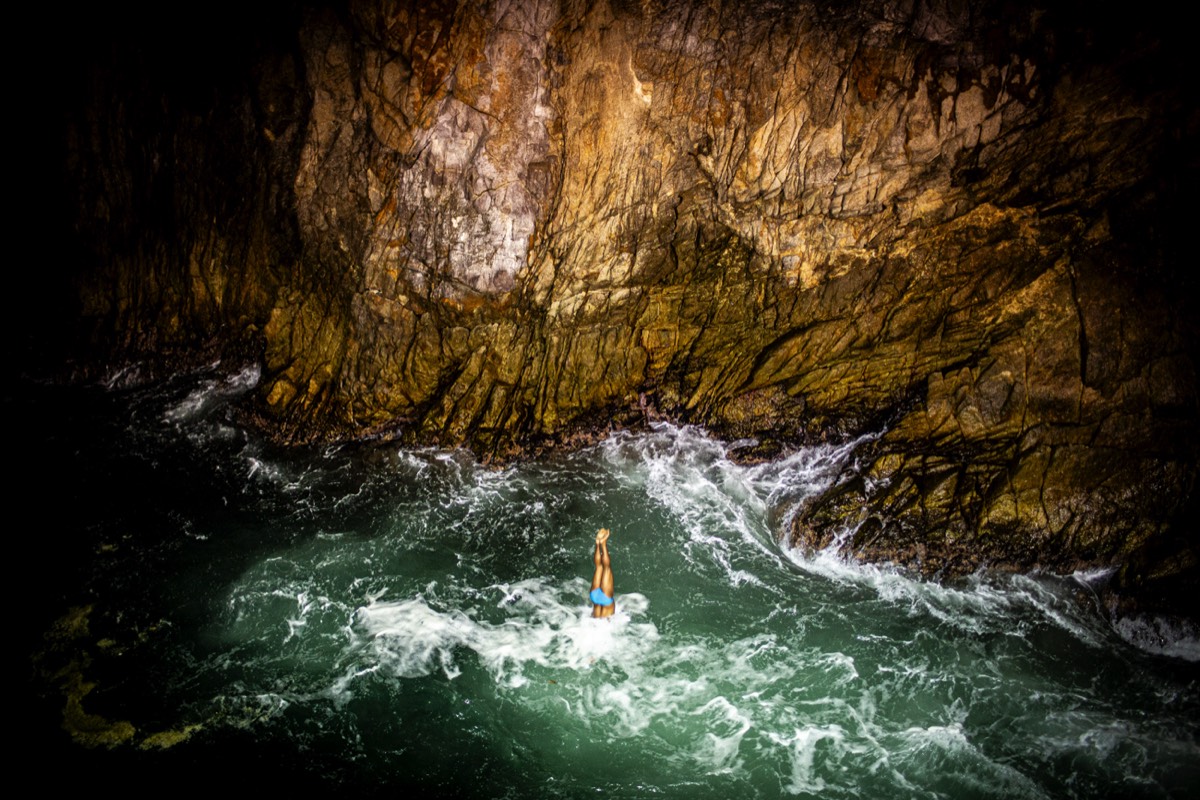
From the beginning, the series carried both a personal necessity and a deeper curiosity. Fabres approached it as a kind of photographic diary, rooted in his interest in consciousness, spirituality, and anthropology. Over time, the images began to connect with one another, forming sequences that felt less constructed and more discovered. They move together like fragments that recognize each other, creating a rhythm that is intuitive rather than imposed.
The idea of stillness lies at the center of the work. Not as something fixed, but as a brief and fragile state, a gap between thoughts. It is something Fabres tries to access in his own life through meditation, time in nature, or meaningful conversations. These are moments that interrupt the conditioned mind and bring attention back to the present. The photographs do not claim to capture this state directly. Instead, they trace the search for it, including the moments of disconnection, doubt, and return. The work exists within this tension, between presence and absence.
The idea of stillness lies at the center of the work. Not as something fixed, but as a brief and fragile state, a gap between thoughts. It is something Fabres tries to access in his own life through meditation, time in nature, or meaningful conversations. These are moments that interrupt the conditioned mind and bring attention back to the present. The photographs do not claim to capture this state directly. Instead, they trace the search for it, including the moments of disconnection, doubt, and return. The work exists within this tension, between presence and absence.
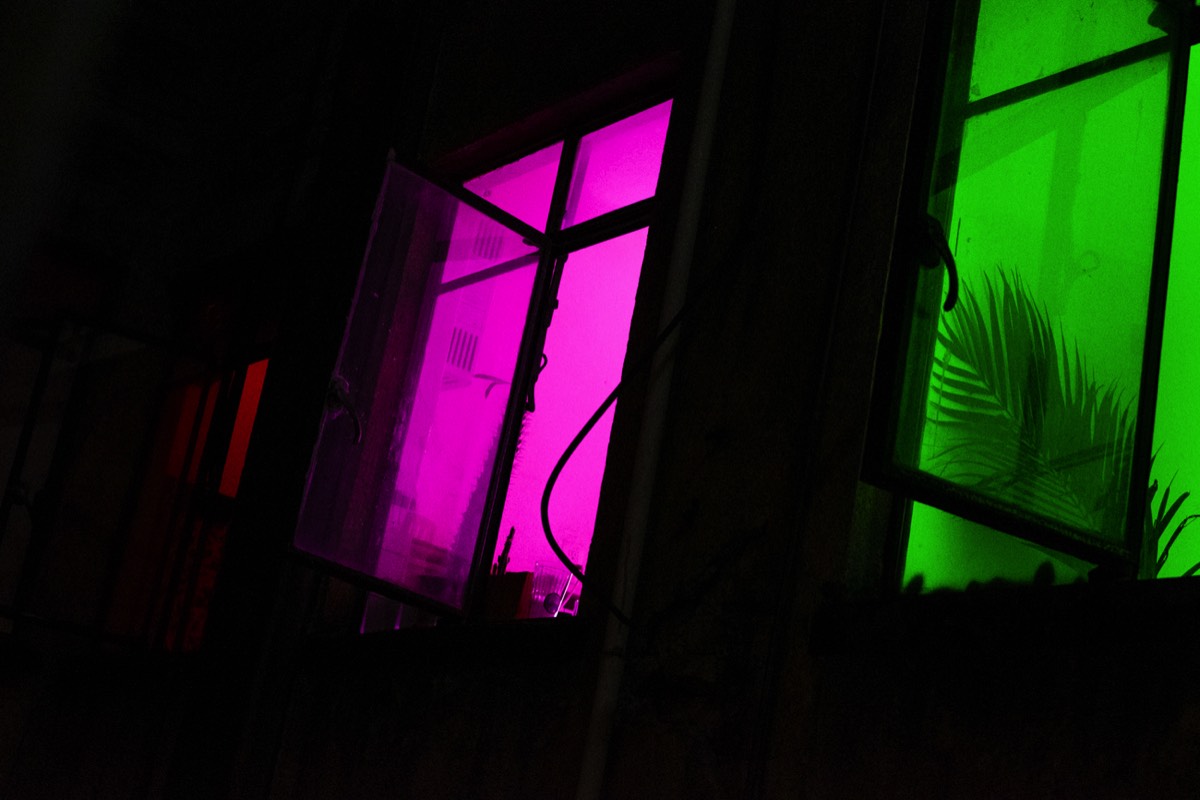
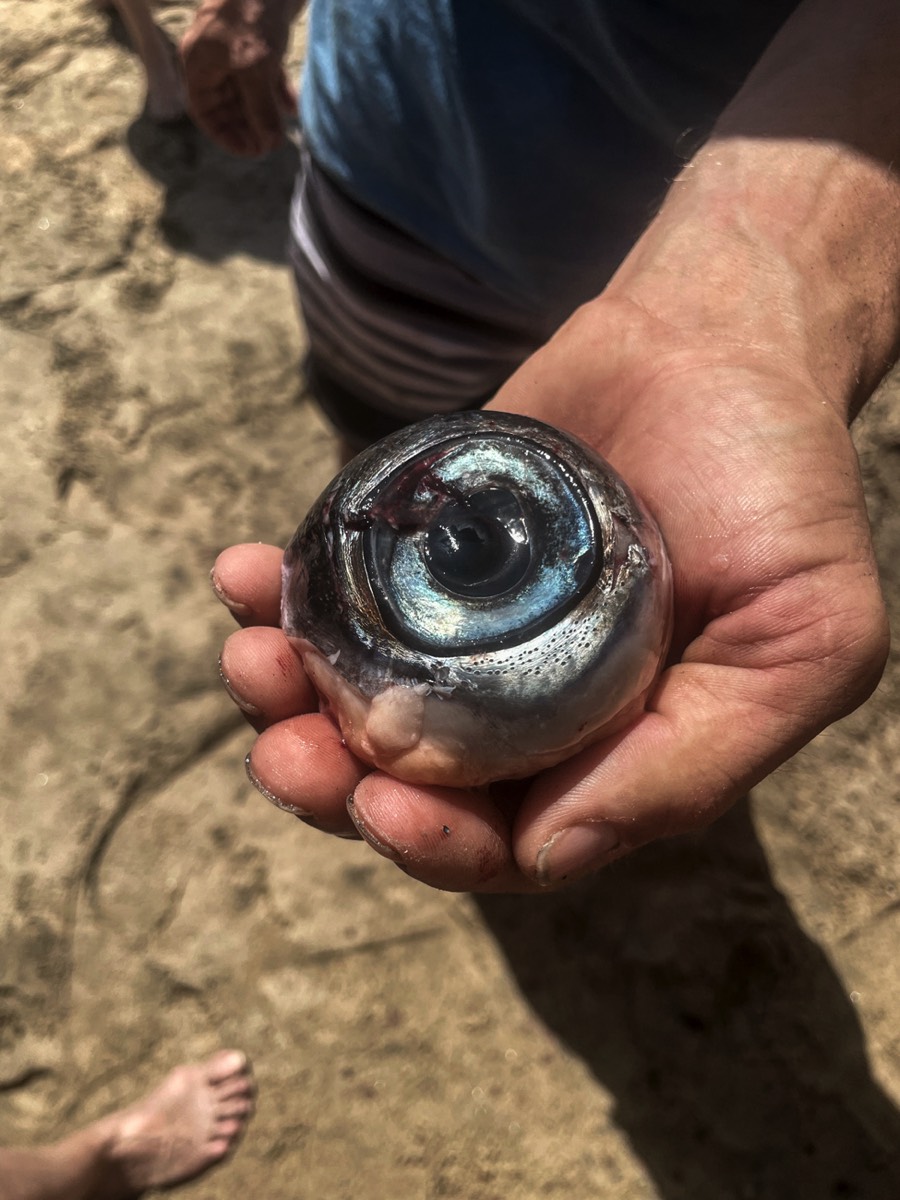
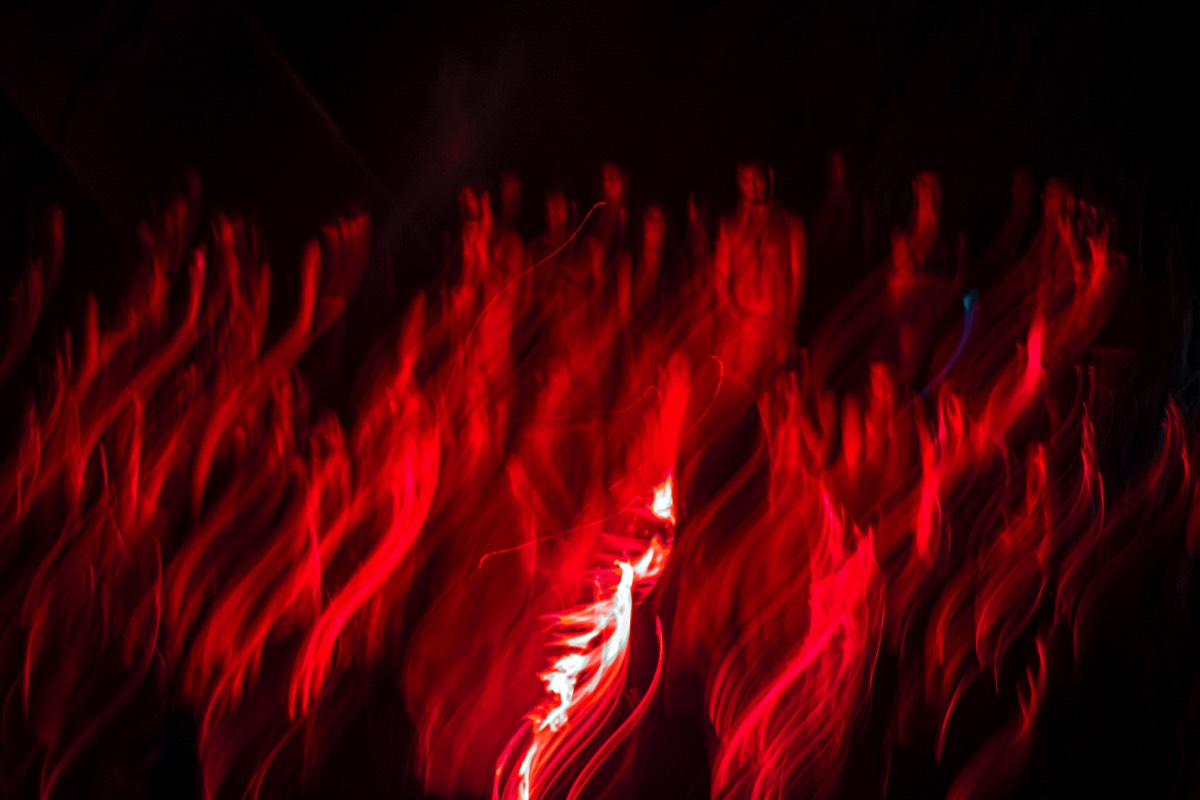
The body becomes an essential element in this process. Through practices such as biodance, Butoh, and conscious movement, Fabres discovered how physical expression can act as a bridge to awareness. In these moments, the body is not simply a subject, but a way of entering a different state of mind. Movement carries a cathartic quality, one that echoes the emotional undercurrents of the series and its ongoing exploration of release and transformation.
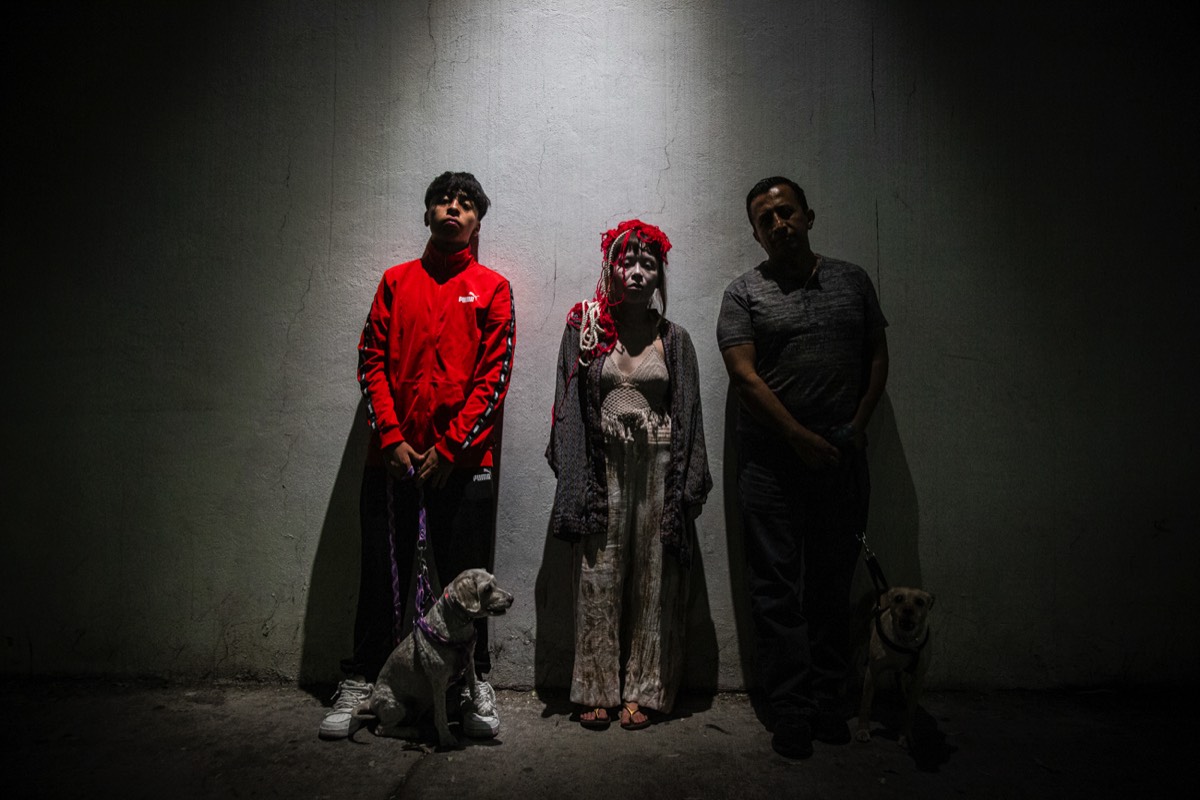
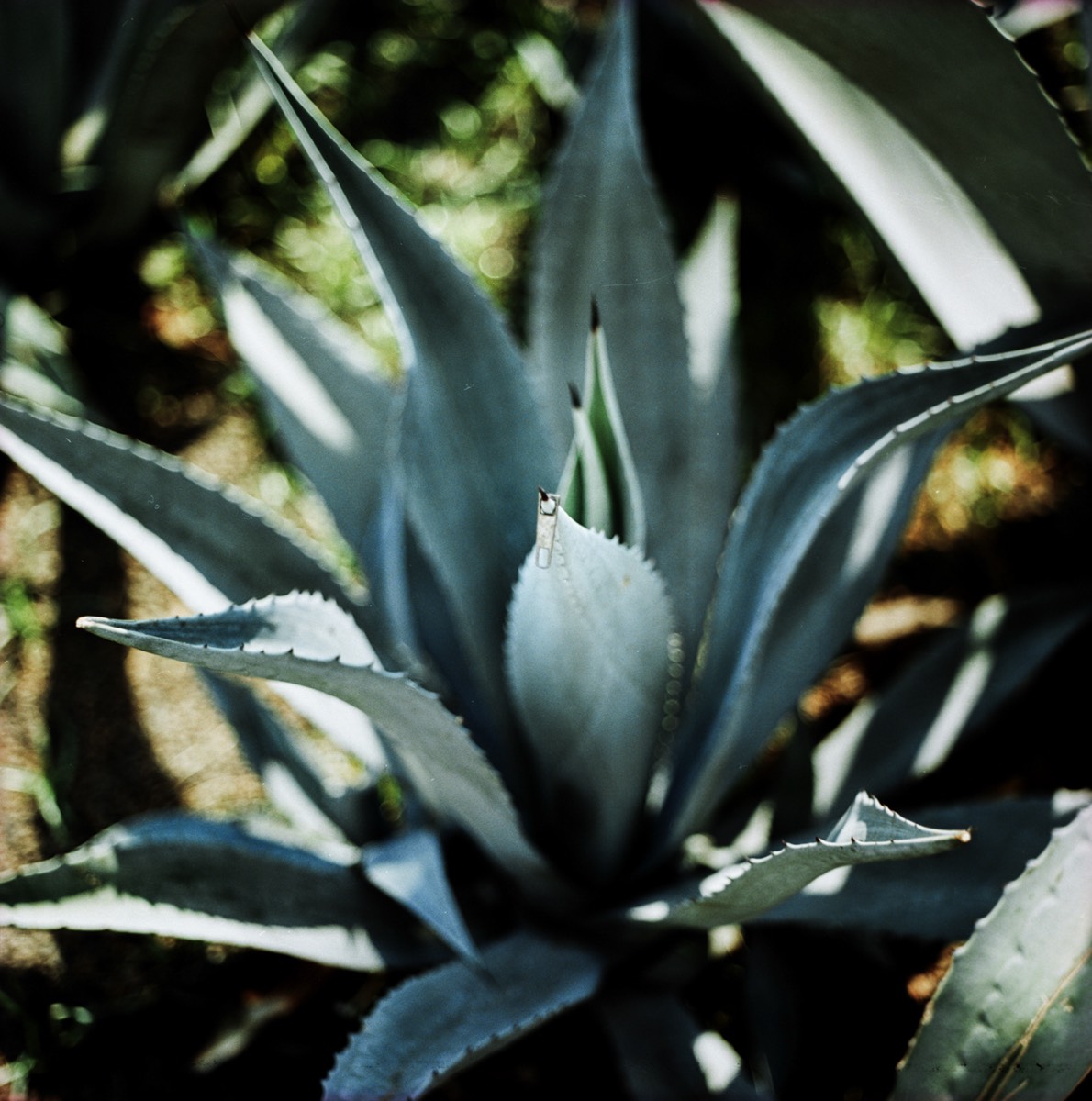
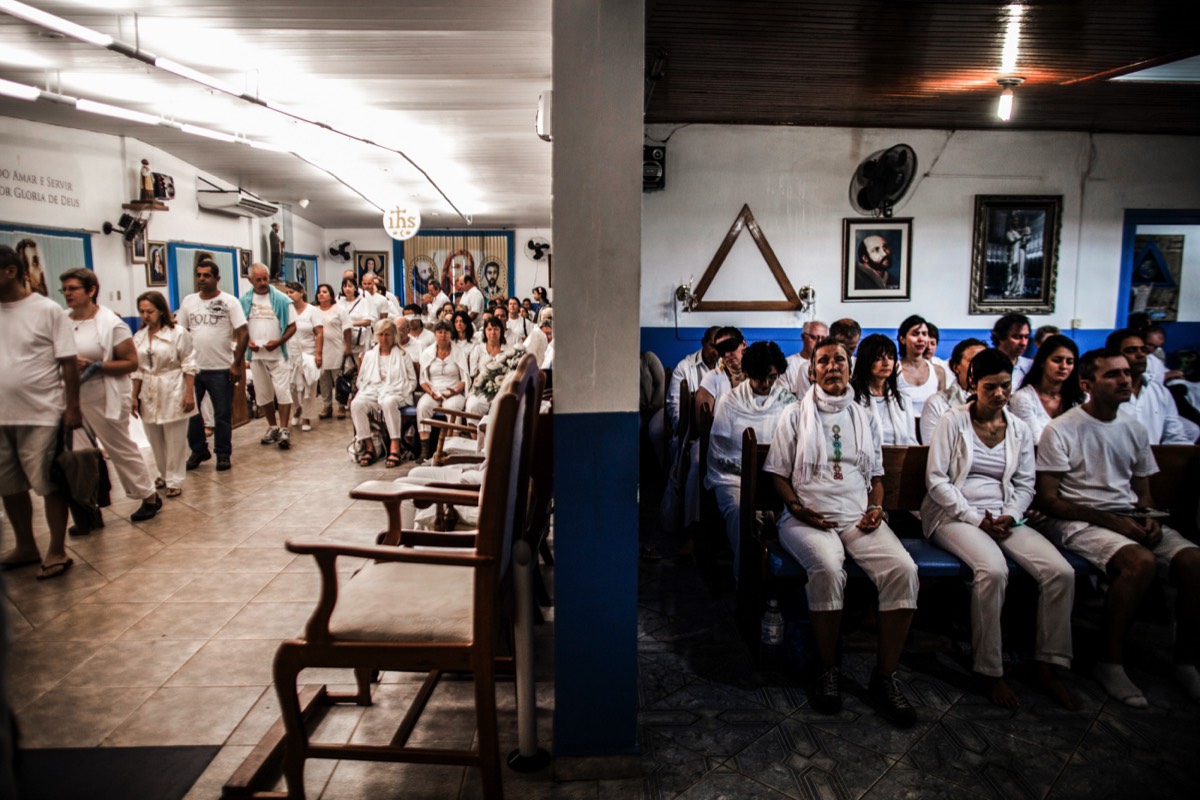
This sensitivity extends to the way he photographs. Fabres works by building a sense of trust with the people he encounters, allowing space for something genuine to emerge. Even when the full intention of the project is not entirely understood, there is an awareness of the moment being shared. When that connection is present, the act of photographing becomes almost unconscious, more like a conversation or a dance than a deliberate act. In these moments, something opens, and the images begin to reveal themselves.
A Place of Stillness does not attempt to define what that place is. Instead, it points toward it. It reflects a shared human impulse, the search for a space of calm and connection with something essential. Rather than offering answers, the work holds that search open, inviting the viewer to recognize it within themselves.
A Place of Stillness does not attempt to define what that place is. Instead, it points toward it. It reflects a shared human impulse, the search for a space of calm and connection with something essential. Rather than offering answers, the work holds that search open, inviting the viewer to recognize it within themselves.